
In public health, timing isn't optional — it's critical. Responding quickly to outbreaks, tracking emerging trends and turning data into actionable insights at scale can save lives. At Adappt, we've spent over a decade creating resilient, intelligent software that empowers global health organisations to act faster and smarter.
Understanding the Challenge
Public health professionals work in environments where delays cost lives. Outbreak detection depends on systems that pull signals from diverse global sources, recognise emerging patterns, and surface threats early. Health workers in remote clinics need offline-capable mobile tools that store essential protocols locally and sync data when connectivity returns. Decision-makers rely on real-time dashboards that transform complex, unstructured information into clear guidance—enabling rapid action when every hour matters. And all of this must operate within strict security, privacy, and ethical expectations across varied regulatory and cultural contexts.
The pressure is constant and the stakes are human. A missed alert can determine whether an outbreak is contained or escalates. Without current protocols, frontline workers risk making decisions based on outdated guidance. Surveillance systems that falter at critical moments may overlook warning signs that allow threats to spread. The challenge spans cultures, languages, and infrastructure: tools must work in advanced hospitals and remote field clinics while honoring data sovereignty, privacy rules, and community trust.
We build systems designed for these realities. Our clients include global health agencies needing early-warning platforms that accelerate detection, assessment, and tracking of emerging events. Health organisations seeking offline-first mobile apps that equip remote workers with dependable guidance during outbreaks. Networks of institutions requiring secure tools for real-time information sharing, coordinated deployments, and rapid response. Public health programmes digitising paper workflows, replacing static handbooks with dynamic tools that give field teams immediate access to the latest guidance while producing reliable, structured data for decision-makers.
Industry Statistics
Our Role in Public-Health Technology
At Adappt, we turn complex, unstructured data into trustworthy tools for decision-makers. Whether it’s in a remote clinic with limited connectivity or a multi-language urban health system, our platforms are built for speed, security and real-world use. We deliver:
Key Projects
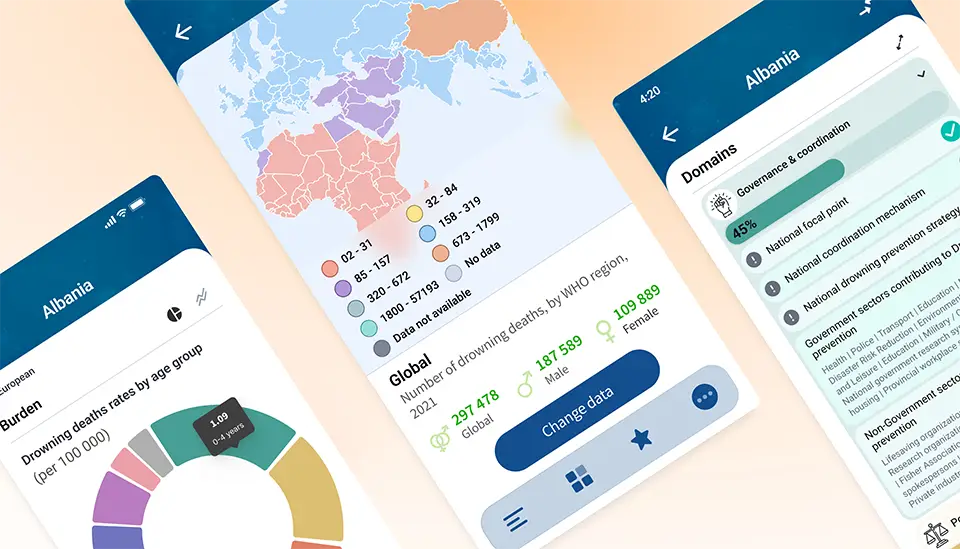
Recognising the challenge of connectivity issues faced by global users, our mobile solutions are engineered with robust offline capabilities and efficient data management. By embedding inbuilt JSON data structures, our apps reliably operate even under constrained bandwidth conditions. Features such as local data storage, intelligent syncing mechanisms, and preloaded critical information guarantee uninterrupted user experiences, ensuring essential functionalities remain accessible anywhere, anytime.
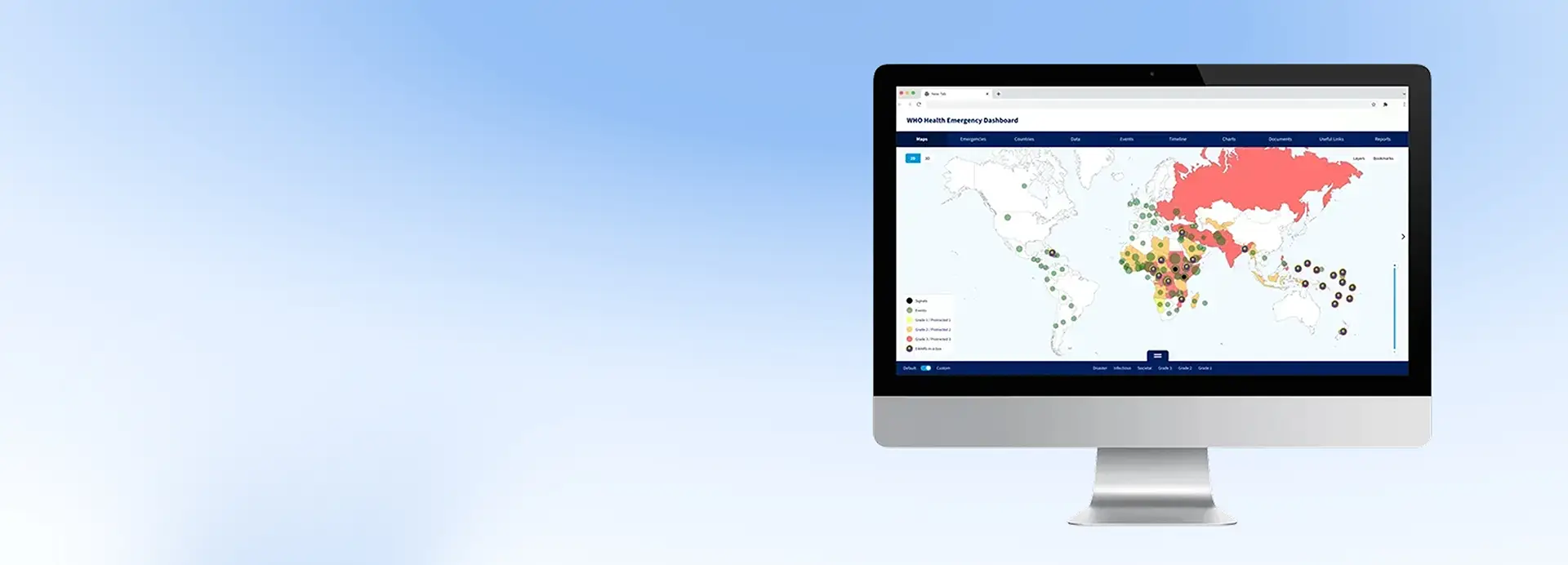
Event Information System (EIS)
A global early-warning platform for the World Health Organization that supports rapid detection, assessment and tracking of public-health events worldwide. Used during major outbreaks to shorten the time between local signals and global alerts.

Cholera Control App
An offline-first mobile app built for the Global Task Force on Cholera Control (GTFCC), giving remote health workers clear guidance, checklists and protocols during cholera outbreaks — even in low-connectivity environments.

Global Outbreak Alert and Response Network (GOARN)
A secure system connecting more than 200 institutions across the GOARN network to share information, coordinate deployments and manage outbreak response activities in real time.
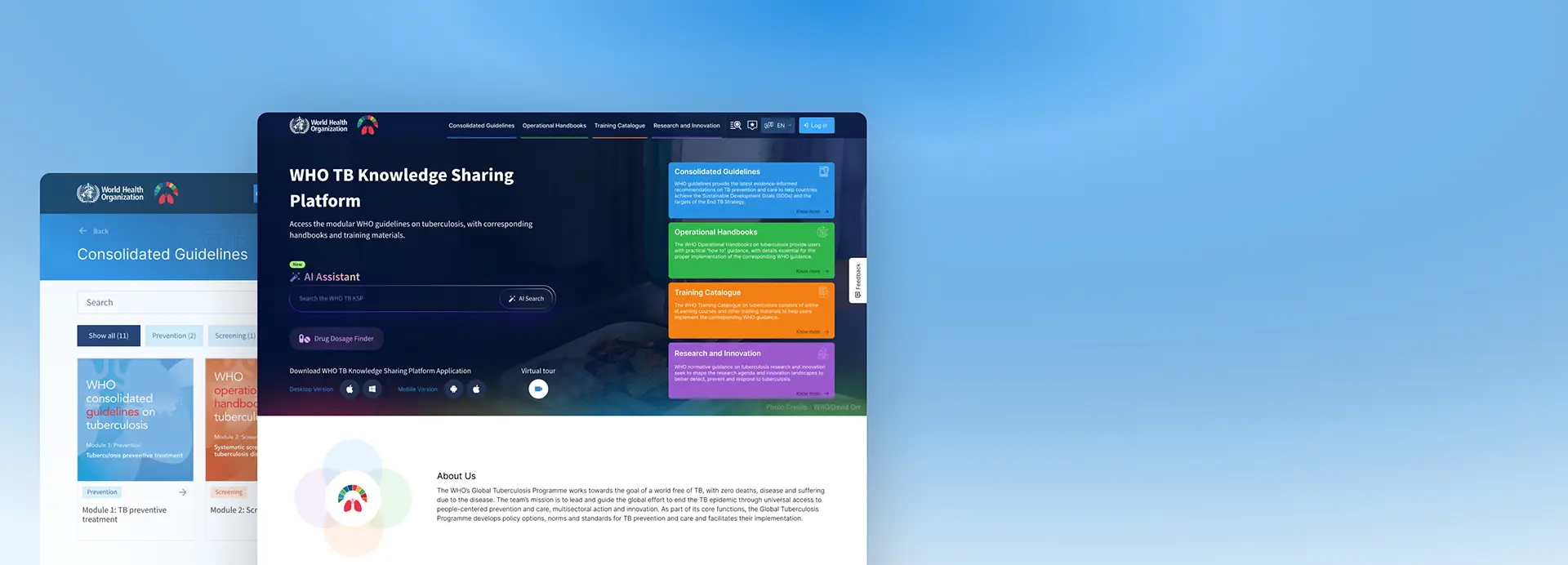
TB Digitization Tools
A suite of tools that replaces paper-based TB handbooks and forms with dynamic digital workflows. Field teams and clinicians gain faster access to up-to-date guidance, while programme managers benefit from more reliable, structured data.
Why Adappt?
Global experience: Fifteen years collaborating with the World Health Organization and international partners
Technical depth: In-house expertise in AI, NLP, data structuring and multilingual software
Proven in crisis: Tools we built have been used during live public-health emergencies
Platform versatility: From mobile to desktop, online to offline, we support multi-language environments and challenging connectivity.
Trusted ethics & security: We design with data protection and scalability at the core — so you can deploy fast, with confidence
Hear what our clients have to say

"I have been working with Adappt for over 7 years now and their professionalism, attention to detail and exceptional technical capacities has made it so easy to always deliver on time and achieve excellence in our ongoing collaboration."
Take control of your business
The security first platform
Design and deploy digital systems that strengthen surveillance, accelerate response and support sustainable, system-wide public-health improvement.